

Retirement Income Planning: How Charlotte Retirees Turn Savings Into Sustainable Income
Retirement Income Planning: How Charlotte Retirees Turn Savings IntoSustainable Income Retirement Income Planning: How Charlotte Retirees Turn Savings IntoSustainable Income You spent 30 years building the pile. Now the question is: how do you live off it without watching it disappear? That shift, from accumulating assets to drawing them down,

How to Create Reliable Retirement Income in Your 60s
Your 60s turn retirement income into real choices: when to stop working, when to claim Social Security benefits, and how to turn retirement savings into deposits you can count on. A large portfolio helps, but it does not guarantee a predictable paycheck when markets drop, taxes change, or spending shifts.

Social Security and Medicare Planning for Charlotte Retirees
After age 60, Social Security and Medicare shift from “someday decisions” to near-term choices that can lock in monthly income, taxes, and healthcare costs for decades. Small timing changes can raise or lower benefits, affect a spouse’s survivor income, and change what you pay for Medicare. Social Security And Medicare
Retirement Planning Beyond a 401(k)
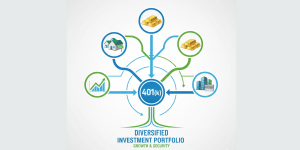
Want to learn Retirement Planning Beyond a 401(k) ? It’s time to explore Self-Directed IRAs, Solo 401(k)s, Roth accounts, and more flexible ways to grow wealth. Retirement Planning Beyond a 401(k) Key Takeaways: Your 401(k) is a good start, but you shouldn’t rely on it alone for your retirement planning.

Navigating Asset Rich Cash Poor Retirement Risks
Many retirees expect that having significant property, investments, or business interests guarantees stability in their later years. Yet, it is common to enter retirement with most wealth tied up in assets that cannot easily be turned into cash. This situation is known as being “asset rich cash poor”. Asset Rich

Financial Planning Investment: A Four-Step Guide
Retirement goes hand-in-hand with financial planning and investments. This is because managing and growing your money properly is key to achieving your financial goals and fulfilling your desires. The intersection of financial planning investment strategies becomes increasingly critical as individuals approach their retirement years, requiring a sophisticated understanding of both

Bank of America HSA Accounts – Are They Offered?
Bank of America HSA Accounts: What You Need to Know An HSA (Health Savings Account) is a specialized savings account available to employees with HSA-compatible health insurance plans. Bank of America HSA accounts require enrollment in the Consumer Directed High Deductible Plan (HDHP) to qualify. With your Bank of America

How to Protect Your Wealth in Uncertain Times
Change is an inevitable part of life—whether we like it or not, whether we’re prepared or not, and whether we have something to lose or not. Unfortunately, most people don’t like it, aren’t prepared, and have a lot to lose. But while change is inevitable, it doesn’t have to be

A Millenial’s Guide to Retirement Planning in Charlotte
As a millennial navigating career growth, student loans, and building your life in Charlotte, retirement planning might seem distant. However, this millennial guide to retirement planning shows that starting in your 20s or 30s gives you a powerful advantage: time. Whether you’re just beginning or already investing, this comprehensive millennial